The wellness aisle has started selling midlife women the gym the way it once sold them the jar: as a fix. Some of it is earned. Lifting heavy things has better evidence behind it than most of what sits on a bathroom shelf. But a barbell is not a serum, a vest is not a prescription, and none of it replaces sunscreen. This page sorts the supported from the sold.
Strength training first
The Claim
Midlife fitness marketing runs on transformation: rewrite your future in six weeks, reverse the clock, become a new woman by spring. Dr. Gabrielle Lyon, a name many readers will know, has popularized the phrase “muscle is the organ of longevity.” It's a framing worth hearing. It isn't evidence, so here is the evidence.
The Evidence
Bone first. In the LIFTMOR trial, 101 postmenopausal women with low bone mass did either eight months of supervised, twice-weekly, high-intensity resistance and impact training (heavy sets of five) or a low-intensity home program. The lifting group gained bone density at the lumbar spine and held it at the hip, while the home group lost bone at both sites. They also did better on every measure of strength and function the trial tested. (Watson et al., J Bone Miner Res, 2018) The training was supervised and progressive, and the women were screened first. That matters. This was not a phone app.
Muscle next. A meta-analysis of 49 trials with 1,863 adults found that resistance training builds strength and muscle, and that adding protein helped a bit more. The extra benefit got smaller with age. (Morton et al., Br J Sports Med, 2018)
That is the honest version: real, measurable gains over months, with supervision and effort. Not six weeks, and not a new future.
Protein, briefly
Many researchers now argue that midlife women need more than the 0.8 g/kg minimum (Layman et al., 2015; Traylor et al., 2018). They disagree on whether going higher adds much; in Morton 2018, gains in lean mass plateaued (Morton et al., 2018).
Gear: the bra and the vest
A supportive sports bra is a comfort and fit decision. If it lets you train without pain, it's doing its job. I found no research worth citing on “form” or “sculpting” claims, so read those as marketing.
The Claim
The weighted vest is sold as bone insurance you can wear while walking the dog.
The Evidence
Limited and mixed. A small study followed 18 postmenopausal women for five years. The nine who did vest-plus-jumping workouts three times a week kept their hip bone density better than active controls (Snow et al., J Gerontol, 2000). But that was jumping in a vest, with very few women. In a 2025 randomized trial of 150 older adults with obesity who were losing weight, wearing a vest about seven hours a day for a year did not prevent hip bone loss. Neither did supervised resistance training. (Beavers et al., JAMA Netw Open, 2025) A vest adds load. It isn't proof of anything about your bones.
What the gym can't do
Sun and sweat
Training outdoors is sun exposure. The American Academy of Dermatology advises broad-spectrum, water-resistant sunscreen with SPF 30 or higher on all skin not covered by clothing. Reapply every two hours, or after swimming or sweating. (AAD: How your workout can affect your skin) For acne-prone skin, the AAD adds that the sunscreen should be oil-free or non-comedogenic (AAD: Is your workout causing your acne?). See also Sun protection.
After you sweat
Pat sweat off with a clean towel instead of rubbing. Shower soon after. If you can't, the AAD suggests at least washing your face with a gentle, non-comedogenic cleanser, or wiping breakout-prone skin with salicylic acid pads, and changing into clean clothes. (AAD; AAD)
Does exercise change skin?
Possibly, and the evidence is early. A McMaster group reported that endurance exercise lessened some age-related changes in skin structure in humans and mice, and proposed a muscle-to-skin signal (IL-15) based mainly on the mouse work (Crane et al., Aging Cell, 2015). The human part was small, the exercise was aerobic rather than lifting, and it measured skin structure under a microscope, not wrinkles. It's interesting. It isn't a treatment.
Stress hormones and collagen
A review of the brain–skin connection describes how stress hormones, including cortisol, act on dermal fibroblasts, the cells that make collagen. It notes that long-term glucocorticoid exposure is linked to thinner skin and fewer fibroblasts, changes that look like skin aging. (Chen & Lyga, Inflamm Allergy Drug Targets, 2014) Creams and peptides marketed for “stress skin” can support how skin looks and feels. That's the most I'd say for them.
Stress, sleep and skin
Perimenopause tends to bring broken sleep and a lot of stress, and both can show on the skin. Training can help you sleep. It can also become one more thing to fail at. The broader picture, including what's hormonal and what's routine, is on the Perimenopause page.
What Made the Cut
What made the cut is mostly a habit: progressive, ideally supervised strength training, enough protein, and sunscreen that survives the sweat. Five products sit next to that habit, and all five are Upheld.
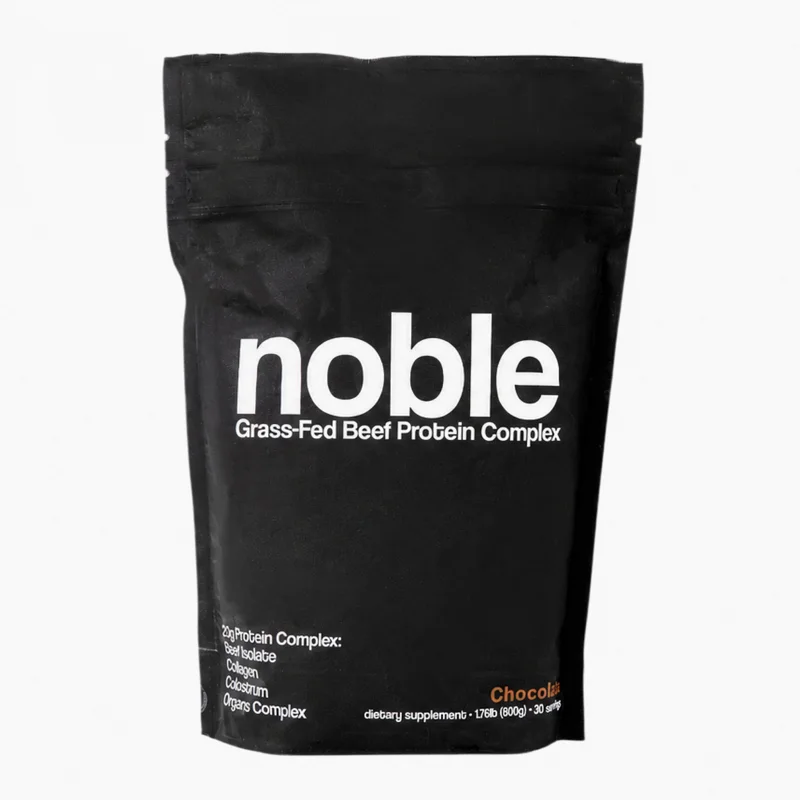
Protein Upheld
Noble Origins All-in-One Protein
Nose-to-tail beef protein shake. A convenience; food counts the same.
Used by the editor.
Evidence & details
20 g protein per serving · $79 for 30 servings at Noble Origins
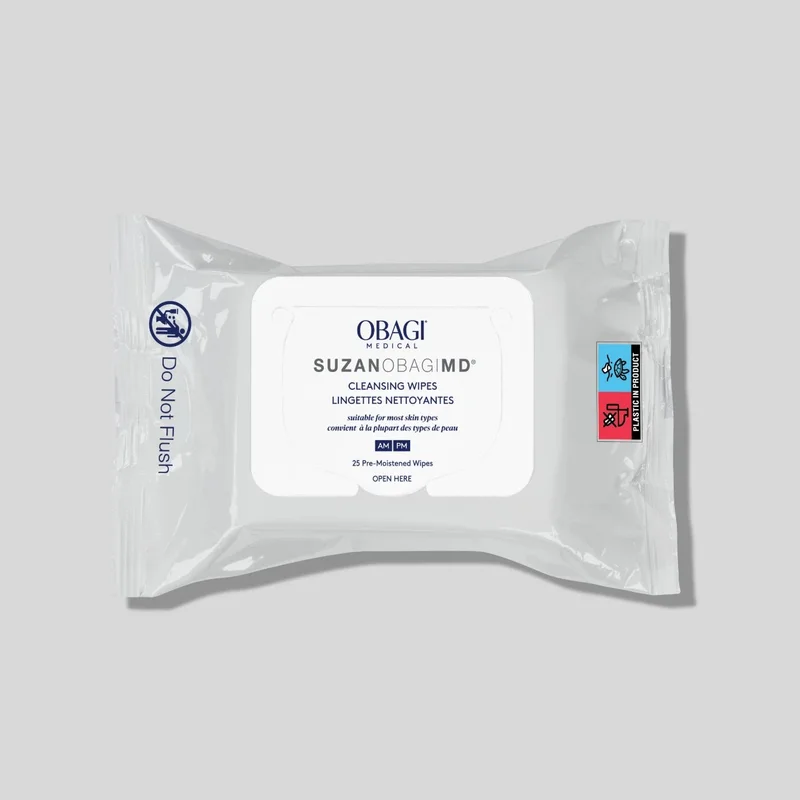
After the sweat Upheld
SUZANOBAGIMD Cleansing Wipes
Pre-moistened textured wipes for a quick cleanse after training. A shower is still better.
Used by the editor.
Evidence & details
25 wipes · $30 at Skin Truth
Hydration Upheld
LMNT Zero-Sugar Electrolytes
Zero-sugar electrolyte drink mix. The sodium is the point: worth it after a long, sweaty session, not as everyday water. If you watch your salt or blood pressure, ask your doctor first.
Used by the editor.
Evidence & details
5 calories, 1,000 mg sodium, 200 mg potassium, 60 mg magnesium per stick · $45 for 30 sticks at LMNT · No sugar
Ingredients: salt (sodium chloride), citric acid, organic black tea powder, magnesium malate, potassium chloride, stevia leaf extract, natural lemon flavor.
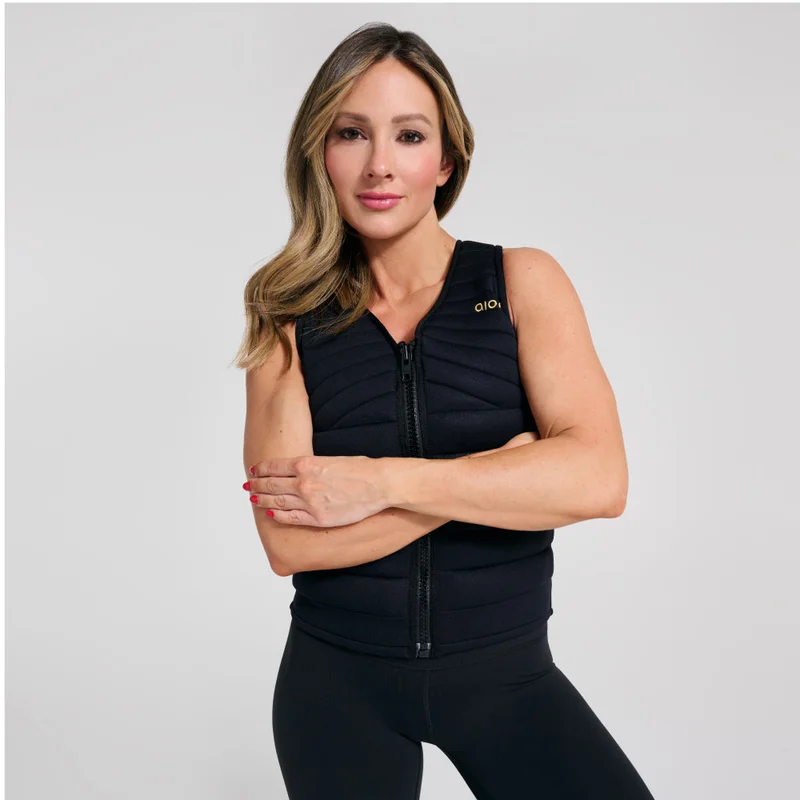
Weighted vest Upheld
Aion Women's Workout Vest
A fitted weighted vest for women. It adds load to a walk or a workout; it doesn't replace strength training.
Used by the editor.
Evidence & details
About 5 lb (XS about 4.8 lb), Original weight · Black/White Split, sizes XS to XL · $279 at Aion
Specs from Aion's product page, checked Oct 16, 2026.
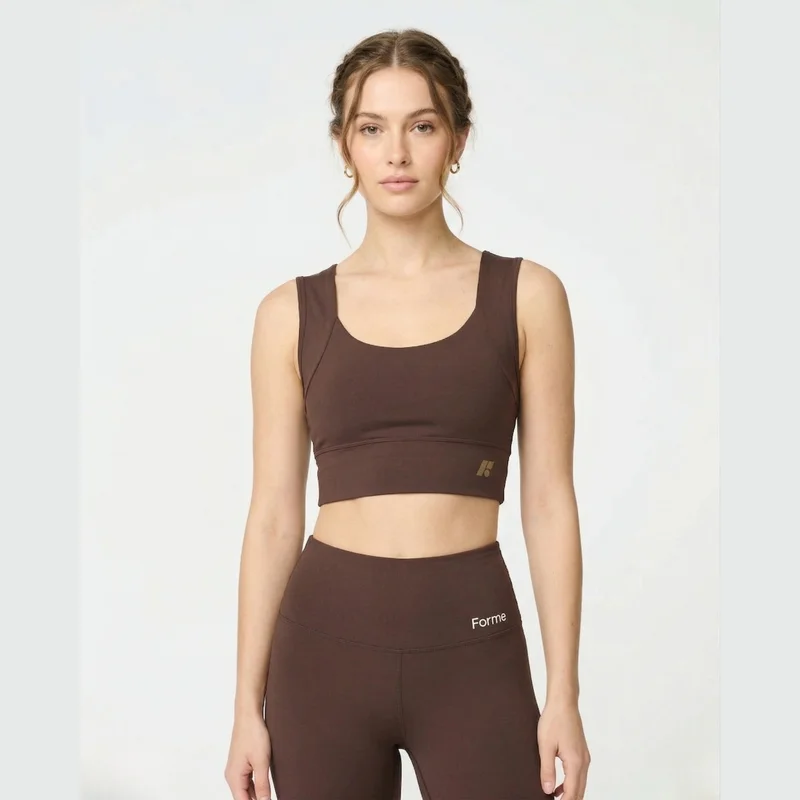
Posture bra Upheld
Forme Collagen Power Bra
A posture bra that draws the shoulders back. Comfort and fit are the test; read the “collagen” fabric claims as marketing.
Used by the editor.
Evidence & details
Sizes XS to 3XL · Check current price at Forme
Specs from Forme's product page, checked Oct 16, 2026.
Affiliate links: THE RECORD may earn a commission. A commission never decides a verdict.
Questions
Can exercise improve your skin?
Yes. Emerging research suggests regular exercise can benefit skin health well beyond the post-workout glow.
In a 2023 study of middle-aged women, both aerobic exercise and resistance training improved skin elasticity and upper-dermal structure. Strength training also increased dermal thickness. (Nishikori et al., Sci Rep, 2023)
Researchers are exploring how working muscles, circulation and cellular signaling influence skin health. (Crane et al., Aging Cell, 2015)
Movement has benefits that reach all the way to the skin.
What does a weighted vest actually add to your workout?
A weighted vest makes familiar movements more demanding without requiring you to change the exercise itself.
Research shows that added resistance can increase cardiovascular effort, oxygen consumption and energy expenditure during walking. (Puthoff et al., Med Sci Sports Exerc, 2006; Gaffney et al., Ergonomics, 2022)
Fit, weight distribution and the amount of resistance matter.
How much protein do active women actually need?
The standard recommendation of 0.8 grams per kilogram of body weight is a baseline for most healthy adults, not necessarily the ideal target for women building or maintaining muscle. (Layman et al., 2015; Traylor et al., 2018)
Research supports higher intakes for many physically active adults, depending on training demands and individual health needs. (Morton et al., Br J Sports Med, 2018)
Adequate protein supports muscle recovery and helps preserve lean mass, especially when combined with resistance training. (Morton et al., Br J Sports Med, 2018)
Do women need to lift heavy to get stronger?
Not necessarily. What matters is progressive resistance: challenging your muscles and gradually increasing the demands placed on them.
Both moderate and heavier weights can build muscle when sets are sufficiently challenging. Heavier loads are particularly useful for developing maximal strength. (Schoenfeld et al., J Strength Cond Res, 2017)
Consistency, technique and progression matter more than chasing a number on the dumbbell.
Check with your doctor before starting a new training program, especially if you have joint concerns.
The newsletter
New verdicts, formula changes, and claims worth questioning. Straight to your inbox.